
How Do Automated Miter Saw Systems Improve Production Efficiency?
Production pressure in most shops doesn’t come from a lack of machines. It comes from time. Getting parts cut faster without messing up accuracy, that’s where things usually break down.
A lot of teams still rely on manual measuring, repositioning, and visual alignment. It works… until volume increases. Then small inconsistencies turn into wasted material, rework, and delays. This is exactly where a digital miter saw measuring system starts to change the workflow in a real way.
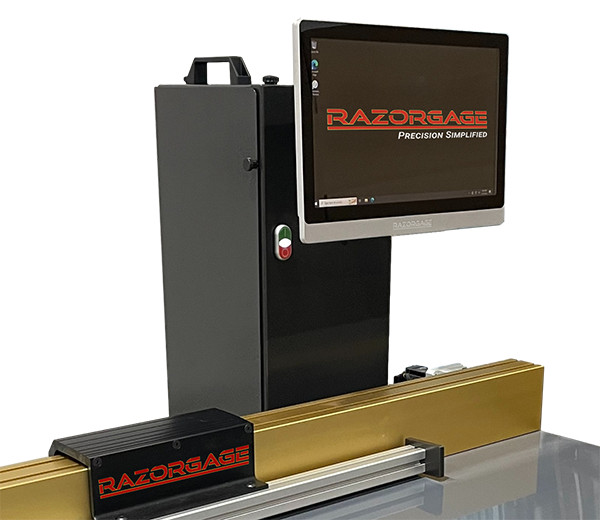
Instead of depending on tape measures and operator judgment, systems like RazorGage’s RG3 bring controlled, repeatable positioning into the process. You’re not guessing anymore. You’re cutting to exact numbers every time.
The Production Challenges with Manual Miter Saw Operations
Manual setups don’t look inefficient at first. One cut is fine. Ten cuts are still manageable. But over a full shift, the cracks start to show.
Every cut requires measuring. Then rechecking. Then, adjusting the material. It slows things down more than most shops realize.
Even experienced operators can’t maintain perfect consistency all day. Fatigue kicks in. Small errors creep in. And those small errors stack up fast, especially in high-volume runs.
Material repositioning is another issue. You’re constantly stopping to align the stock again. That alone eats into cycle time.
And consistency across shifts? That’s even harder. What one operator measures slightly differently from another can result in noticeable variation across batches.
What Is a Digital Miter Saw Measuring System?
A digital measuring tool for miter saws replaces the manual measuring process with automated positioning. Instead of marking and aligning by hand, the system moves material to exact programmed positions.
RazorGage’s RG3 system is a good example of this. It acts as a positioning system paired with a miter saw, handling measurement and stop positioning digitally.
The saw itself still performs the cut. That part doesn’t change.
What changes is everything before the cut.
Material is positioned precisely using the system. Stops are set automatically. Operators don’t need to measure each piece individually. That’s where the real efficiency gain comes from.
When integrated into setups like the AngleMaster Automated Miter Saw, the system becomes part of a larger optimized cutting workflow, but the core benefit still comes from accurate positioning.
Key Components of an Automated Miter Saw Setup
Digital Measuring System
This is the backbone. It controls positioning using programmed measurements instead of manual input.
Operators enter dimensions once, and the system handles the rest. No repeated measuring. No estimating.
It reduces dependency on manual tools and removes variation between operators.
Miter Saw Automatic Stop
The stop system positions the material exactly where it needs to be for each cut.
Once set, it repeats that position consistently hundreds of times if needed. That’s something manual stops just don’t do reliably over long runs.
Integrated Software (Optional)
When paired with software like RazorGage’s AutoList, the system can optimize cut sequences.
It’s not part of the saw itself; it’s part of the full system setup. But when used, it helps reduce waste and improve planning.
How Automation Improves Production Efficiency
The biggest shift is simple. You stop measuring every cut.
That alone speeds things up more than expected. Operators move from measuring and adjusting… to just loading material and cutting.
Cycle times get shorter. Downtime between cuts drops.
Repetitive tasks are handled by the system instead of the operator. That reduces fatigue and keeps performance consistent throughout the day.
Even during long production runs, the workflow doesn’t drift. You get the same result on the first cut and the hundredth.
Accuracy and Consistency Across Every Cut
Accuracy isn’t just about one good cut. It’s about repeatability.
A miter saw digital measuring tool ensures each piece is positioned exactly the same way every time. There’s no variation based on how someone reads a tape or lines up a mark.
That consistency improves part fit. Assemblies go together more cleanly. Downstream errors drop.
It also helps maintain tight tolerances, which matters more as production volume increases.
Instead of correcting mistakes later, you prevent them at the cutting stage.
Reducing Material Waste and Increasing Yield
Waste is usually a symptom of inconsistency.
If parts aren’t cut accurately, they don’t fit. And when they don’t fit, they get scrapped or reworked.
With digital positioning, cuts are predictable. That reduces rejected parts and unnecessary offcuts.
When paired with optimization software, material usage improves even more. Cuts are planned better. Layouts are more efficient.
Over time, that adds up. Less waste. Better yield from the same material.
Labor Efficiency and Operator Productivity
Manual measuring slows operators down. It also limits how much one person can handle.
With a digital miter saw measuring system, operators spend less time adjusting and more time producing.
One operator can manage a higher output without increasing workload. The system handles the repetitive precision tasks.
Training becomes easier, too. New operators don’t need years of experience to measure accurately. The system guides the process.
It shifts the role from manual execution to process control, which is where most modern shops want to be.
Ideal Applications for Automated Miter Saw Systems
This setup fits anywhere precision and repeatability matter.
Whether you are building cabinets or manufacturing doors and windows, consistent cutting directly impacts final product quality.
Furniture production benefits from tighter tolerances. Door and window manufacturing relies on accurate angles and lengths. Lumber processing operations gain speed and efficiency.
Even shops running an industrial chop saw for wood can upgrade performance by pairing it with a digital positioning system like RG3.
And for operations requiring advanced angle cutting, systems like the AngleMaster integrate these capabilities into a more complete workflow.
Conclusion
Manual processes slow production more than most shops expect. Not always in obvious ways, but in small delays and inconsistencies that add up over time.
A digital miter saw measuring system removes that friction. It brings control, repeatability, and speed into one process.
RazorGage focuses on what actually impacts results: accurate positioning, consistent stops, and systems that reduce operator dependency without removing control.
It’s not about replacing the saw. It’s about improving how the saw is used. Ready to improve accuracy and speed without replacing your entire setup? Explore how RazorGage systems and a digital measuring tool for miter saw can transform your workflow.
FAQs
What Is a Digital Miter Saw Measuring System?
A digital miter saw measuring system automates material positioning, replacing manual measuring and alignment. It ensures each cut is made at the exact programmed length, improving accuracy, repeatability, and overall production efficiency.
Can the Rg3 System Work with Existing Miter Saws?
Yes. The RG3 is designed to pair with existing saw setups, allowing shops to upgrade efficiency without replacing their current equipment.
Does Automation Reduce Operator Involvement Completely?
No. Operators still control the process, but repetitive measuring and positioning tasks are handled by the system, improving speed and consistency.
How Does a Digital System Reduce Waste?
By ensuring accurate, repeatable cuts, the system prevents errors that lead to scrap, improving material usage and overall yield.